

Academic Symposium 2025 Highly Successful
The Indigenous Embassy Jerusalem Academic Symposium 2025, convened by Dr Sheree Trotter and Emeritus Prof Wayne Horowitz, hosted another stellar line-up of speakers at the Bible Lands Museum, Jerusalem.
The speakers covered a range of topics, from the Indigenous Judahites in Babylonia, to debunking Palestinian historical revisionism using classical Arab-Jewish literature to Settler Colonialism and Antizionism. The symposium’s theme of Zionism and Indigeneity versus Settler Colonialism and Historical Revisionism were well covered by these topics and more.
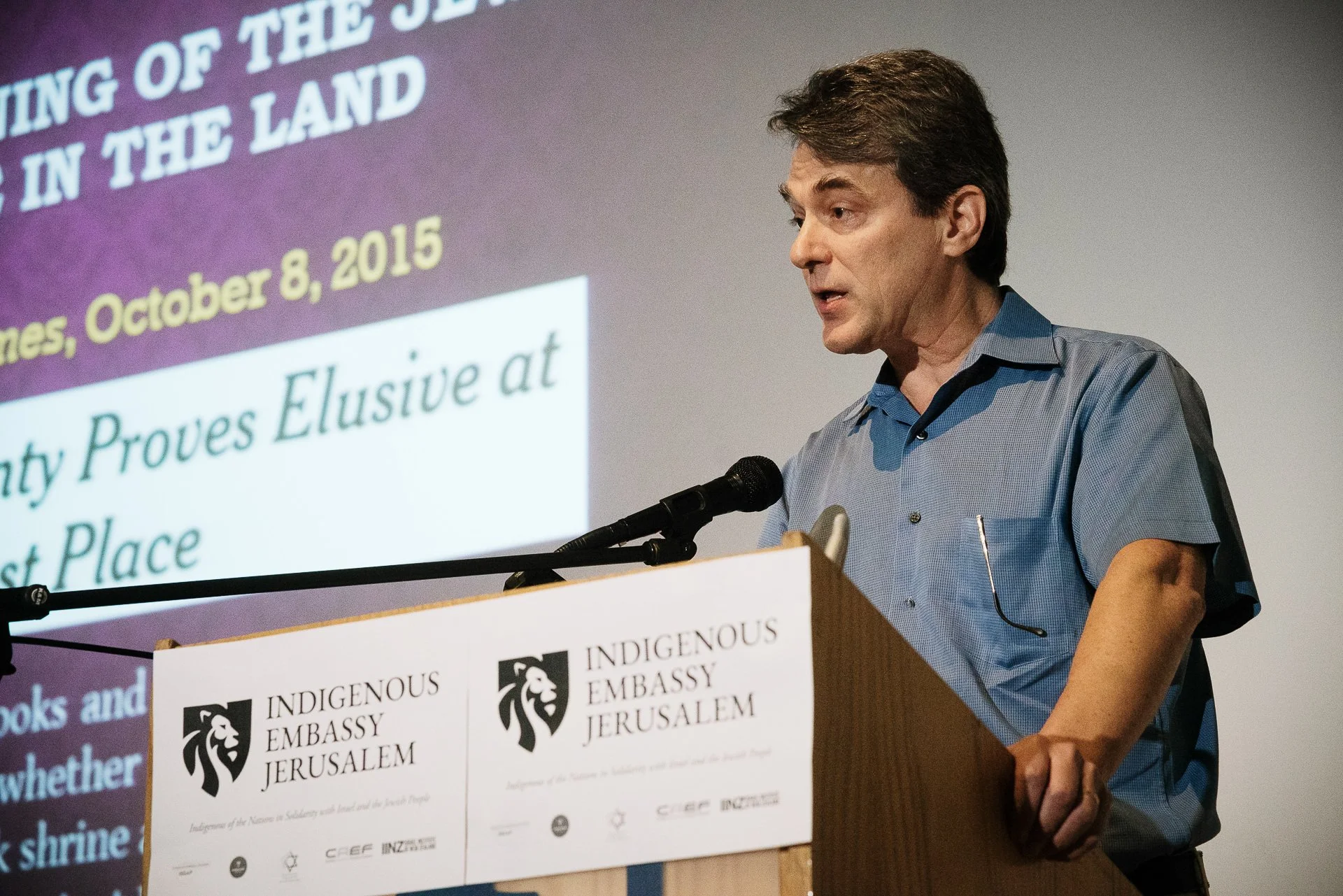
Dr Michael Wechsler addressed Palestinian historical revisionism by drawing on classical sources — Muslim, Christian and Jewish. Wechsler argued that the denial of Jewish historical connection to the Land of Israel is not just a political narrative, but an ideological or theological effort to reshape history in a way that erases Jewish indigeneity. He viewed such historical revisionism as a root of contemporary antisemitism and a danger, especially in academia, where students may be taught biased or ideologically driven narratives under the guise of scholarship.
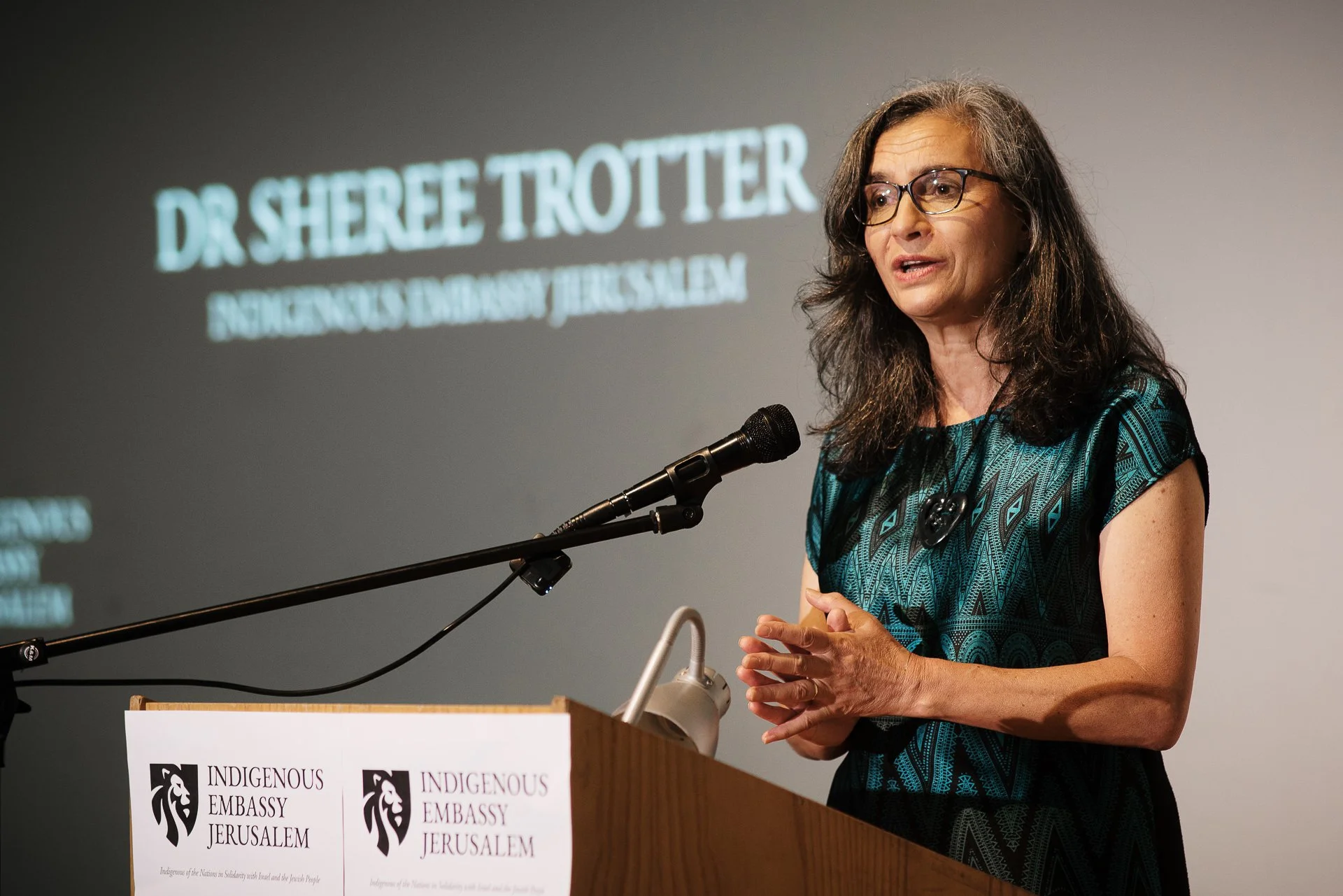
Dr Sheree Trotter argued that settler colonialism, as an interpretive model, in both its methodological form and its contemporary political deployment, is deeply flawed. She claimed that its presentist orientation, selective use of historical material, and rigid interpretive categories produce not clarity, but distortion. In its most militant contemporary applications, the framework fuels resentment, encourages rhetorical and political extremism, and narrows the possibilities for reconciliation and coexistence. She showed the ways in which settler colonialism functions like a religious cult, replete with hermeneutical tools, original sin, state of innocence, saints and sinners, commandments, and penance. Notably absent, though, are hope and redemption.
Settler Colonialism is a dominant narrative driving antisemitism and antizionism in western nations like Australia, New Zealand, US and Canada, so addressing these issues is pertinent.
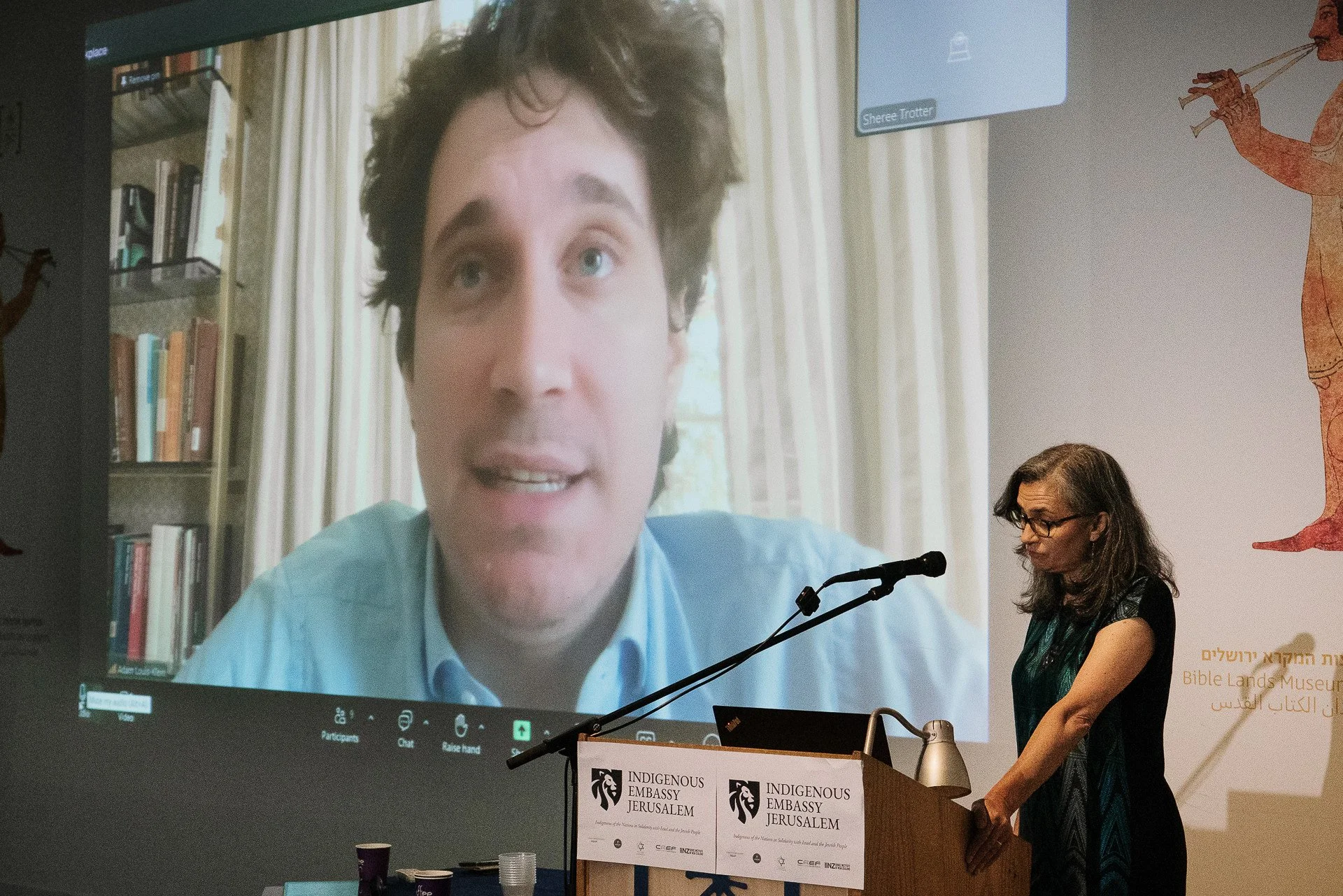
Adam Louis-Klein joined the Symposium via zoom and was interviewed on his experience in the Amazon with the Desana people, his return to ‘civilisation’ shortly after 7 October 2025 and the disorienting effect of the response to that attack. He reflected on the way in which working with the Desana people brought an awareness of the indigeneity of his own Jewish people. He then discussed the profound wave of antizionism that he experienced within academia since 7 October. In response, Louis-Klein has thought deeply about the structures of antizionism and the systematic bias operating within academia. His work is particularly important and cutting-edge. He has devised an intellectual strategy to understand and fight antizionism. This provided the focus for a vigorous discussion from a highly engaged audience.
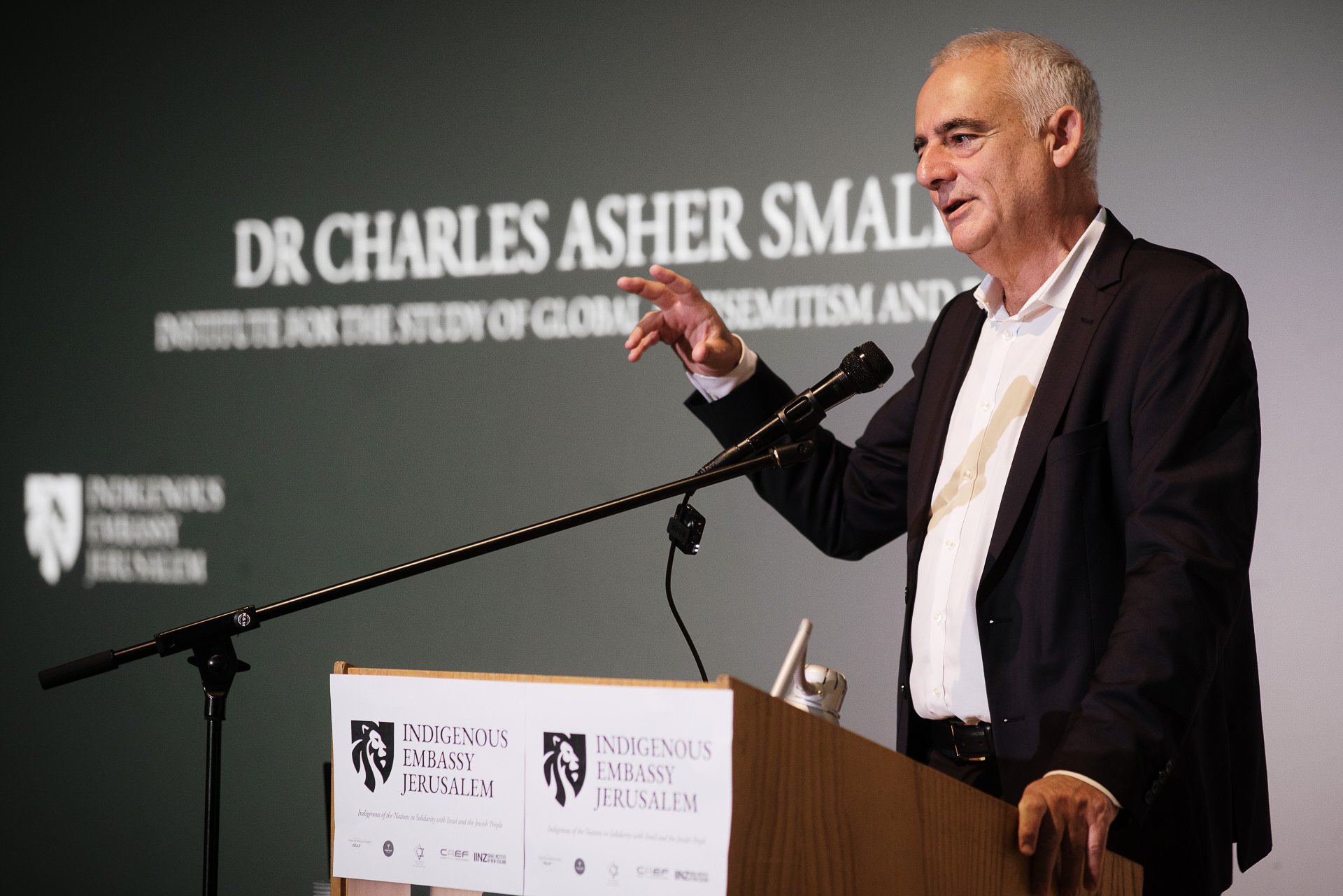
Dr Charles Asher Small spoke of some of the challenges of contemporary antisemitism. The infiltration of the influence of the Muslim Brotherhood onto American campuses has created a toxic environment for Jewish students and academics. The Institute for the Study of Global Antisemitism and Policy, by drawing on the lessons of the Black Consciousness Movement is encouraging Jewish students to regain their Jewish consciousness by drawing on the rich heritage of Jewish thinkers, writers and sages.
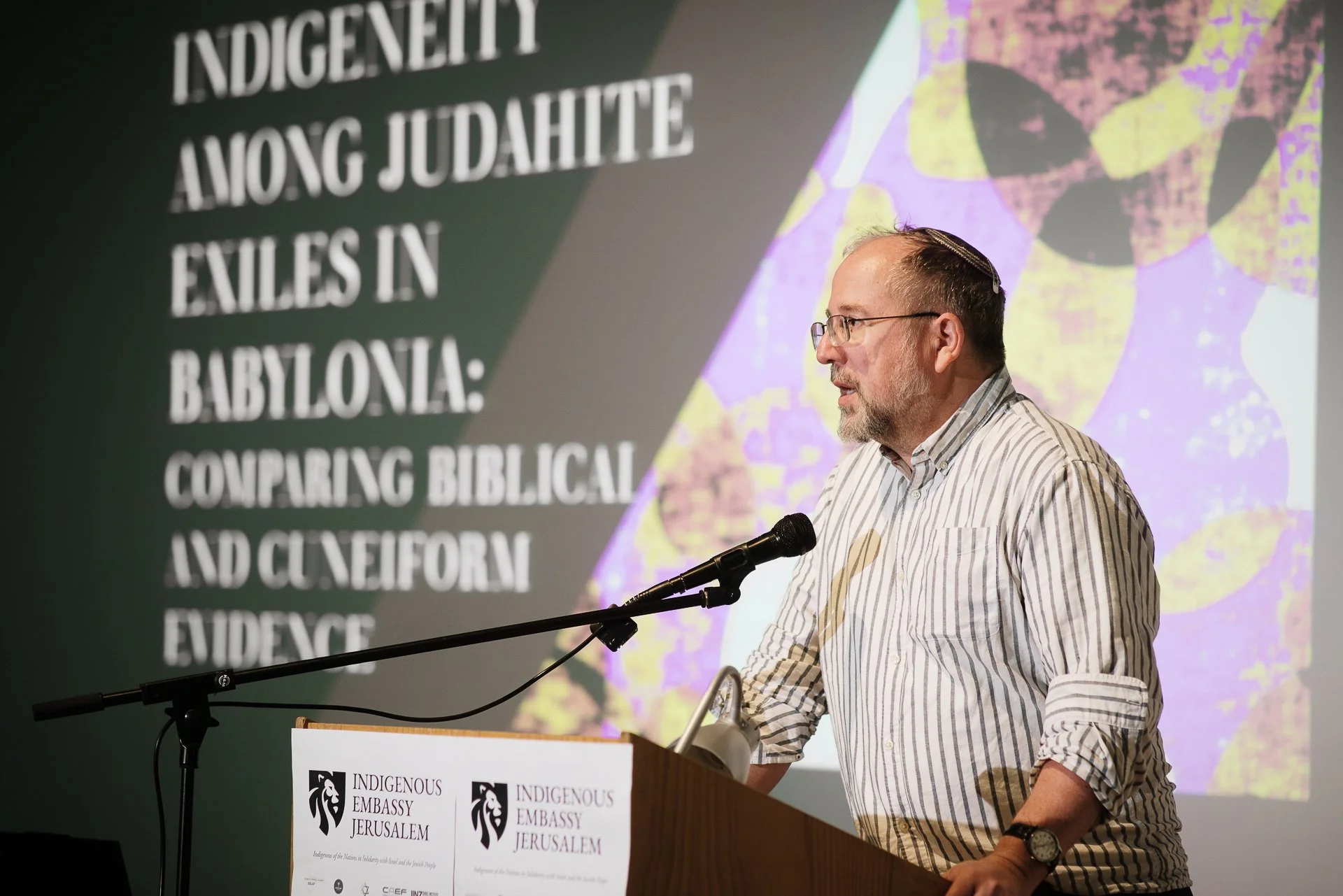
Prof Shawn Zelig Aster demonstrated how the Judahite exiles in Babylonia in 597-400 BCE promoted indigeneity and resisted imperialism. Through the examination of cuneiform tablets, upon which are inscribed Hebrew names and the record of the celebration of Sukkot, Zelig-Aster demonstrated the resolve of the Judahites ‘to maintain and reproduce ancestral environments as distinctive peoples’ and the ‘historical continuity with pre-colonial and/or pre-settler societies’, recognised traits of indigenous peoples.
Developing the connections between Indigenous and Jewish communities and Israel continues to be an important facet of our work. The presentations by Australian based academics, Gillian Gould, Shelly Bengiat and Loretta Pele-Glanville emphasized these indigenous connections and collaborations and provided the necessary Indigenous voice of the nations in the symposium. Gould outlined her book project on Indigenous Jewish allyship. Bengiat shared her vision for tackling the challenges of caring for the environment. Pele-Glanville discussed the importance of the ocean to the Indigenous Torres Strait Islanders in her inspiring talk “Songs of the Seas”.
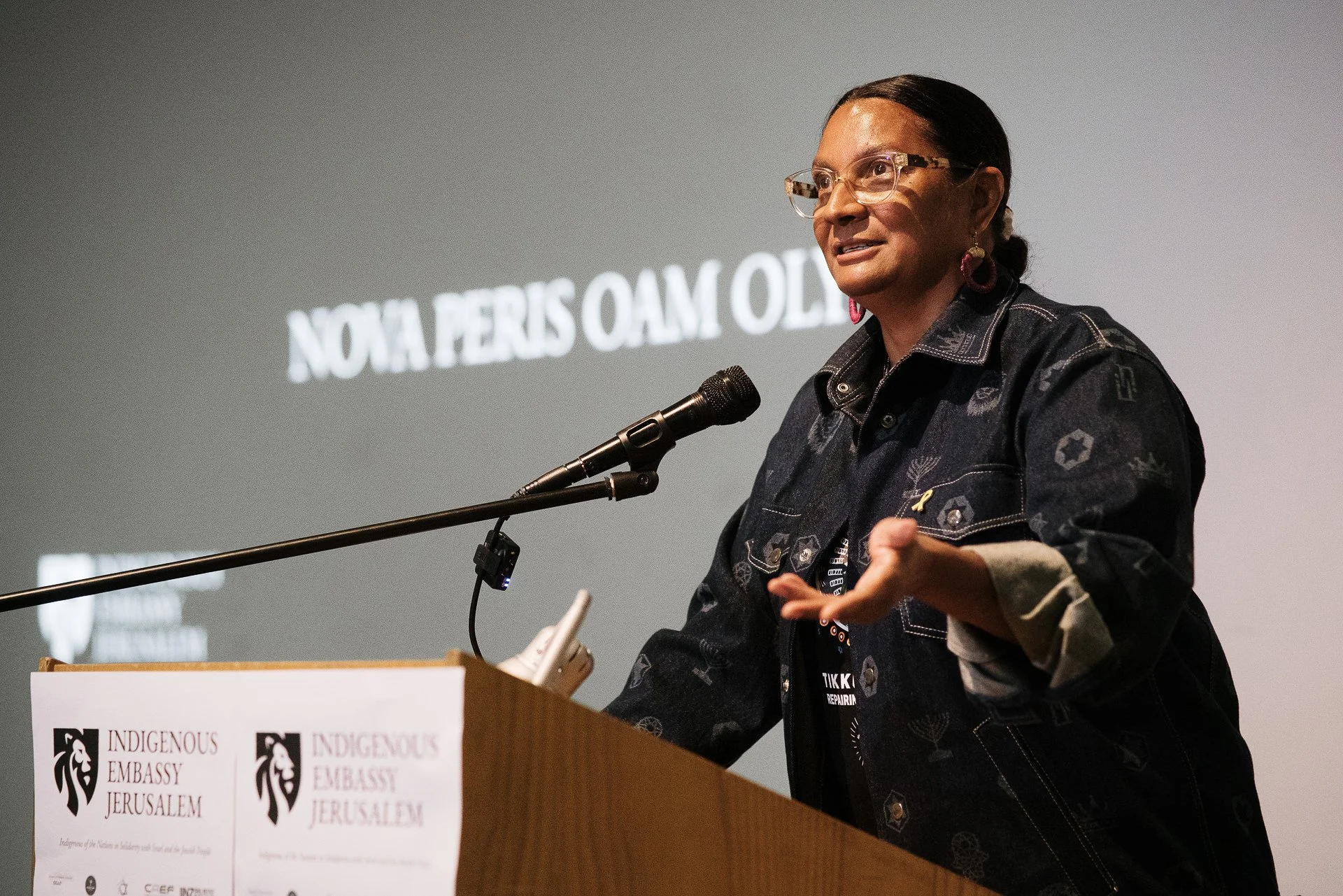
Nova Peris, an Indigenous Australian Olympic gold medallist, dual Olympian, international sports representative and former Federal Senator for the Northern Territory has been a prominent Indigenous voice for Jews in Australia since 7 October. Her heartwarming message about the Jewish and Indigenous Australian friendship, and her efforts to fight antisemitism was received with a standing ovation.
This year’s symposium included an art exhibition by Avraham Vofsi, an Australian born Jewish artist, now based in Israel. Vofsi’s exhibition of his Indigenous Australian work on the Djab Wurrung Heritage Embassy provided another platform for the Indigenous Jewish message. We envisage further multi-dimensional presentations in future Symposia to broaden our impact and reach.
Dr Trotter also presented at a related conference the following day at Bar Ilan University called ‘Preserving National Identity Under Imperial Rule: The Assyrian and Babylonian Empires, and their Challenge to Indigenous Identity’. She gave the opening address on the topic ‘Indigenous Identity: Modern Political Construct or Ancient Paradigm?”
All in all, the second annual symposium was highly successful with an overwhelmingly positive response from participants.