

Indigenous Supporters of Israel Speak
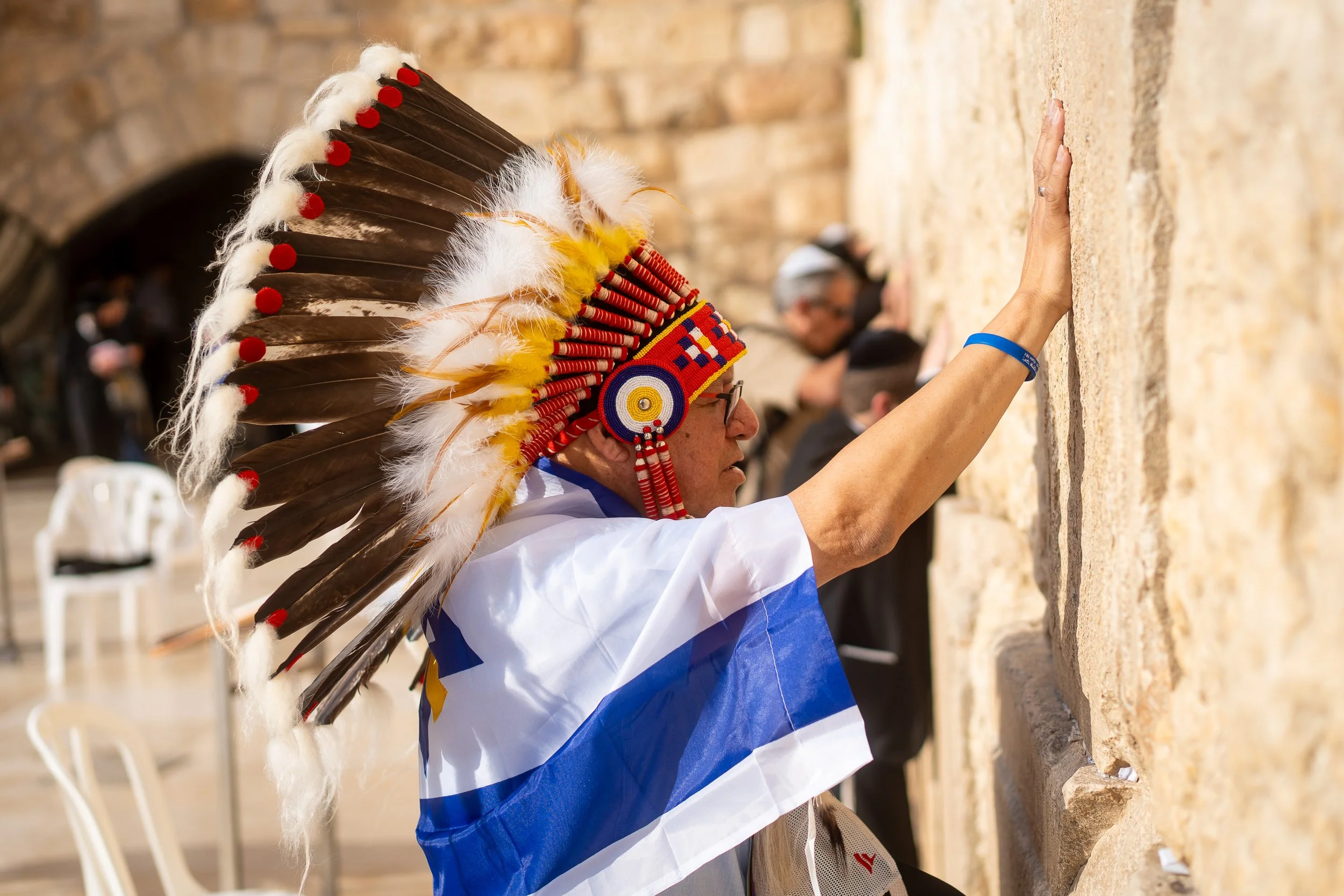
Former GC Harvey Yesno
From Sweden to the Pacific, North America to Australia, India to Aotearoa New Zealand, a growing body of Indigenous peoples support Israel and understand her position as the Indigenous people of the land of Israel.
Indigenous peoples have supported the Jewish people from a variety of perspectives: symbolic, spiritual or biblical resonance; genealogical connection; Indigenous recognition; Jewish allyship in Indigenous causes and historical analogies.
When missionaries first arrived in New Zealand in the early nineteenth century, they noted certain similarities between Jewish and Māori cultural practices and some even surmised that Māori might be one of the “lost tribes of Israel”. While this theory was later debunked by historians, some contemporary Māori groups still hold to that view, and it is not uncommon in the thinking of Indigenous groups from other nations.
Some Māori embraced Christianity, which resulted in a warm attitude towards the Jewish people, in recognition of their role as the prophets and apostles of the holy book. Māori lecturer, Brad Haami has pointed to the way in which Māori in the nineteenth century identified with the Jewish biblical stories and how Hebrew names were inscribed in the naming of persons and whenua (land).
As colonisation increased and Christianity fell out of favour, prophetic Indigenous movements arose, whose leaders identified with the Israelites of the Hebrew scriptures. Some of those movements still exist today.
Intermarriage occurred between Jewish settlers and Indigenous tribes in New Zealand, across the Pacific and in North America adding another element of Indigenous-Jewish connection. One example is Alfred Ngaro, a New Zealand politician of Cook Island descent and a proud Zionist who speaks of his Jewish grandmother Rita Goldstein.
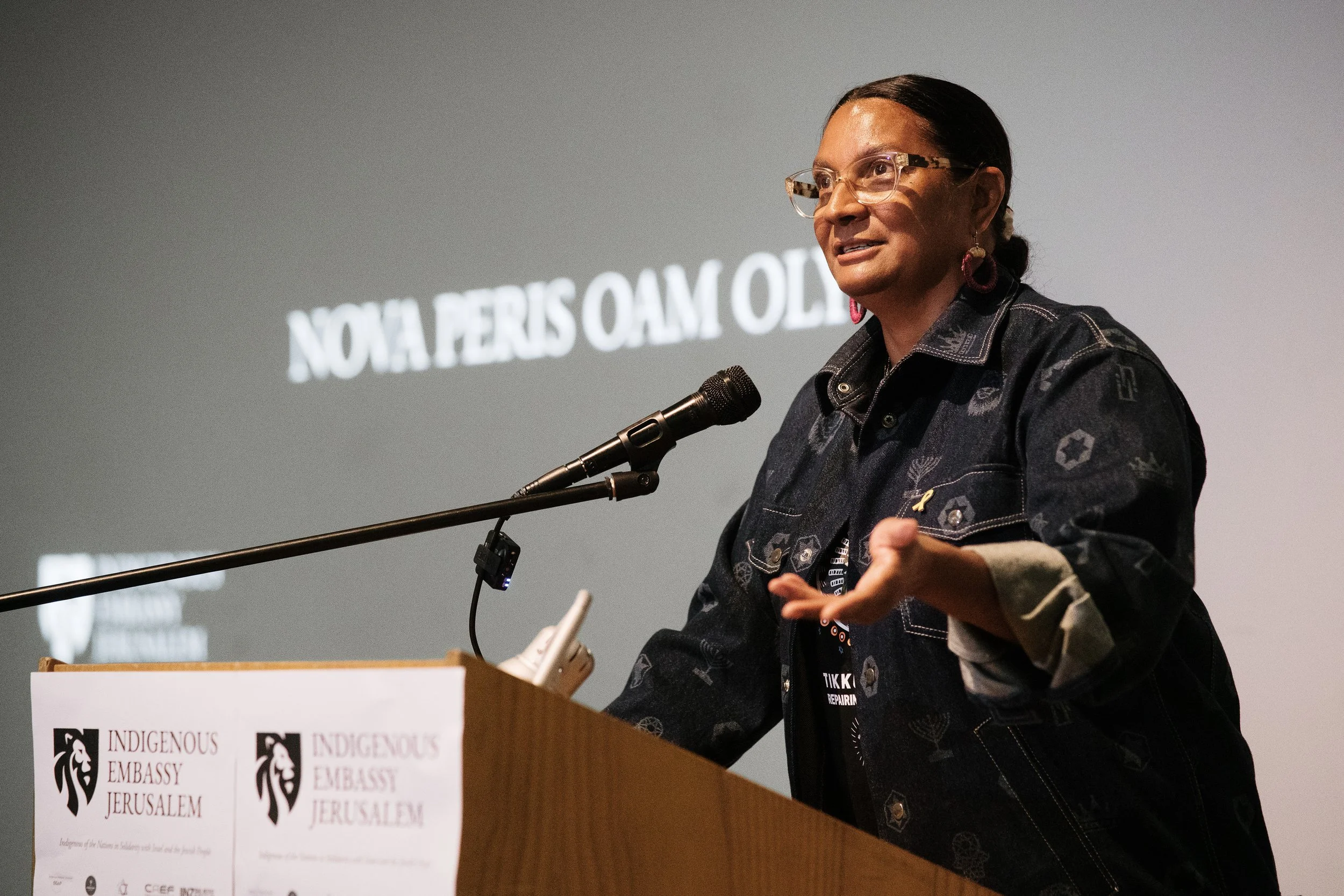
Nova Peris, OAM.
Indigenous Australian Nova Peris, Australia’s first Aboriginal Olympic gold medallist and first Indigenous woman elected to federal parliament, points to Jewish lawyers and activists who supported Aboriginal rights, including involvement in native title and the 1965 Freedom Ride.
Former Judge, Harry LaForme, Anishinaabe, Canada has spoken of his experience in the 1970s, as one of only a handful of Indigenous students nationwide in higher education. LaForme felt like an outsider , but it was among Jewish peers, who knew what it felt like to be “othered,” that he found a sense of belonging.
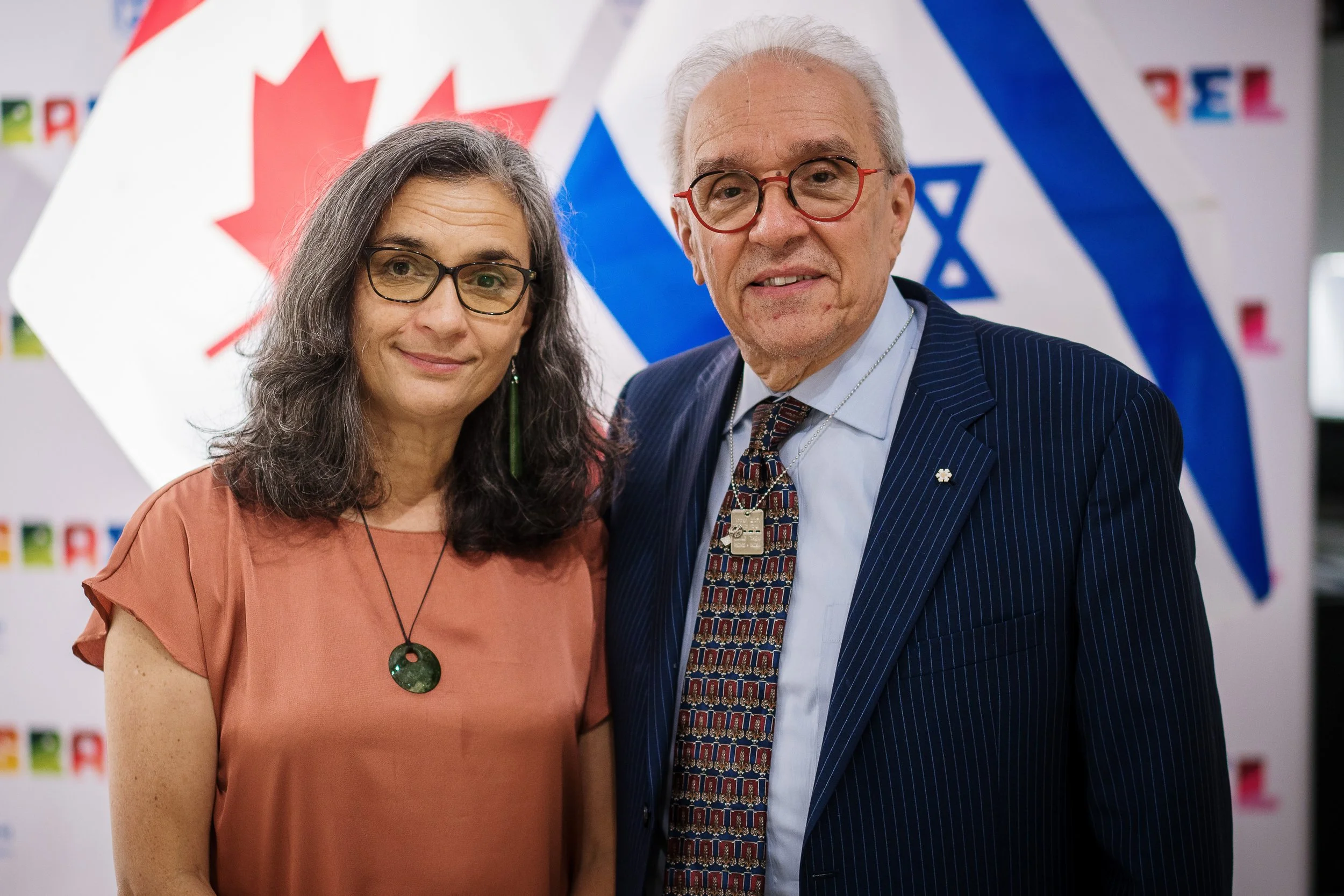
Dr Sheree Trotter & The Honourable Harry LaForme, O.C.
“I had an audience with Jewish colleagues,” he said. “They identified with my otherness. Social justice was a real concern for these judges, as it was for me. Our thinking tended to be aligned. They became my haven — my go-to people.”
Many Canadian First Nations and Native Americans speak of having endured similar experiences. David Sickey, a leader with the Sovereign Nation of the Coushatta Tribe of Louisiana, has noted that his Native American tribe has experienced many of the same tribulations – “Banishment from our homelands, adversity and persecution” – that Jews underwent after Roman forces destroyed the kingdom of Judea.
Since 7 October, Indigenous voices have been amongst the most powerful in challenging the false narrative that Jews are foreign colonizers in their land.
Harry LaForme challenged the “antizionist libel-driven hate movement that incites violence and the targeting, exclusion, and marginalization of Jews in the diaspora”.
First Nations lawyer Karen Restoule and Harry LaForme wrote a powerful submission to the Parliamentary Standing Committee on Justice and Human Rights’ Study of Antisemitism objecting to the university encampments on Treaty lands. They stated,
“As Anishinaabe, we are troubled by the expressions of hatred against Jews and Zionists, and the disappointing ignorance, fuelled by misinformation coming from universities. Ignorance about the indigeneity of the Jewish people in the region that is Israel. Ignorance about the values that Israel, as a democracy, stands for — as imperfect as it is.”
Nova Peris wrote a powerful submission to the Bondi Commission, as did Indigenous Australian academic Marcia Langton.
Contemporary Indigenous Evangelical Christians have a strong contingent of Israel supporters in Canada, the US and also across the Pacific. In September 2025, a wide coalition of Indigenous Peoples from Across the Pacific Rim issued a statement expressing solidarity with the Indigenous Jews who live in the Land of Israel.
Groups including the Ainu of Japan, Indigenous groups in Polynesia, Melanesia, Micronesia, Latin America, Australia, United States, Canada, the Maori, Native Hawaiian Knaka peoples and others “represent a chorus of voices from every corner of the Pacific, declaring (their) unwavering love, admiration, and commitment to the Jewish state. Their declaration sums up the feeling of many Indigenous supporters of Israel.
“We recognize the Jewish people as the Indigenous stewards of the land of Israel, their ancestral homeland, where their history, culture, and spiritual legacy have been rooted for millennia. This indigeneity resonates deeply with our own connections to land, tradition, and resilience, forging a sacred bond between our communities and the Jewish people.”