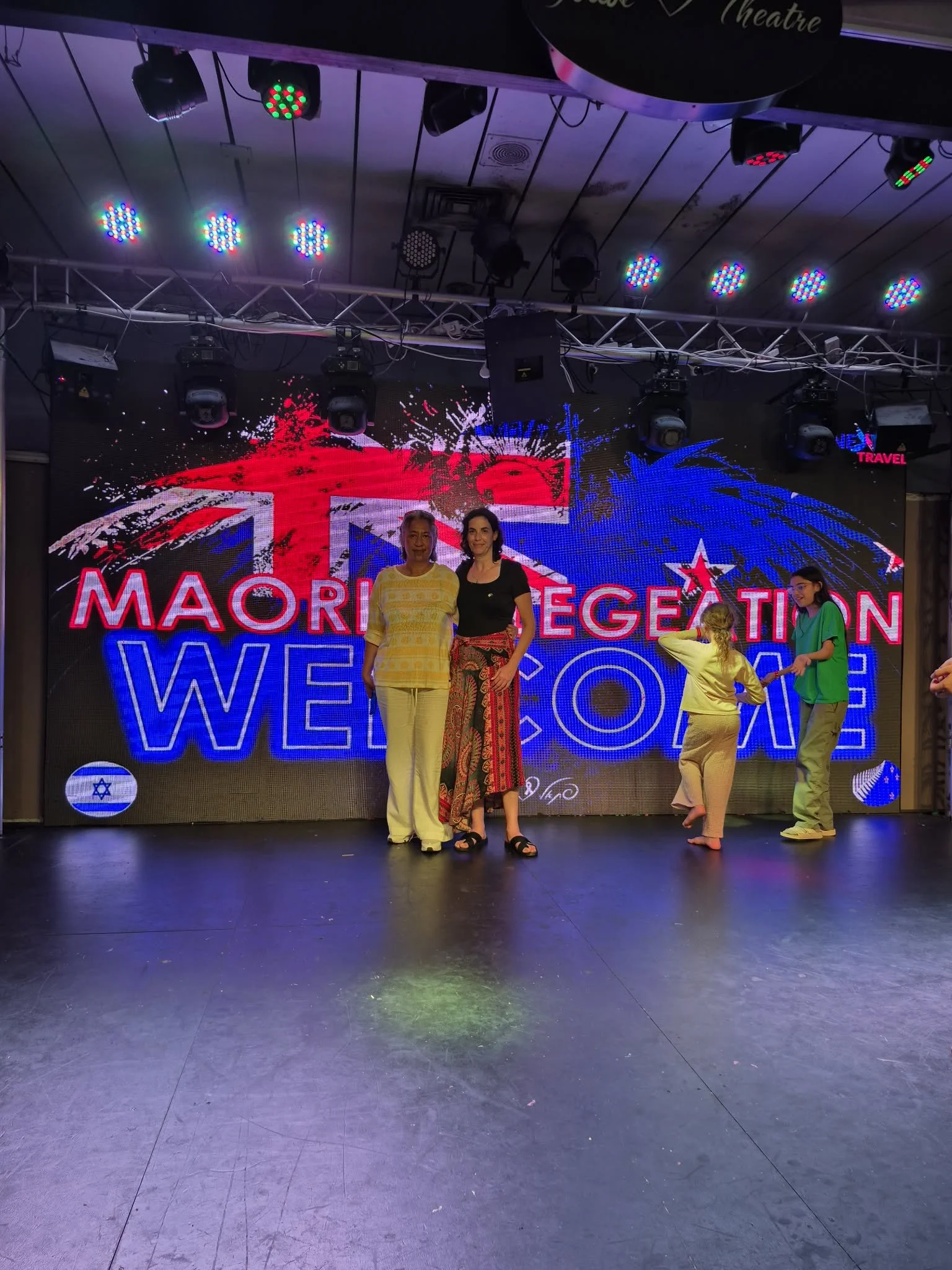

Māori Delegation to Israel: Hearts & Minds Changed
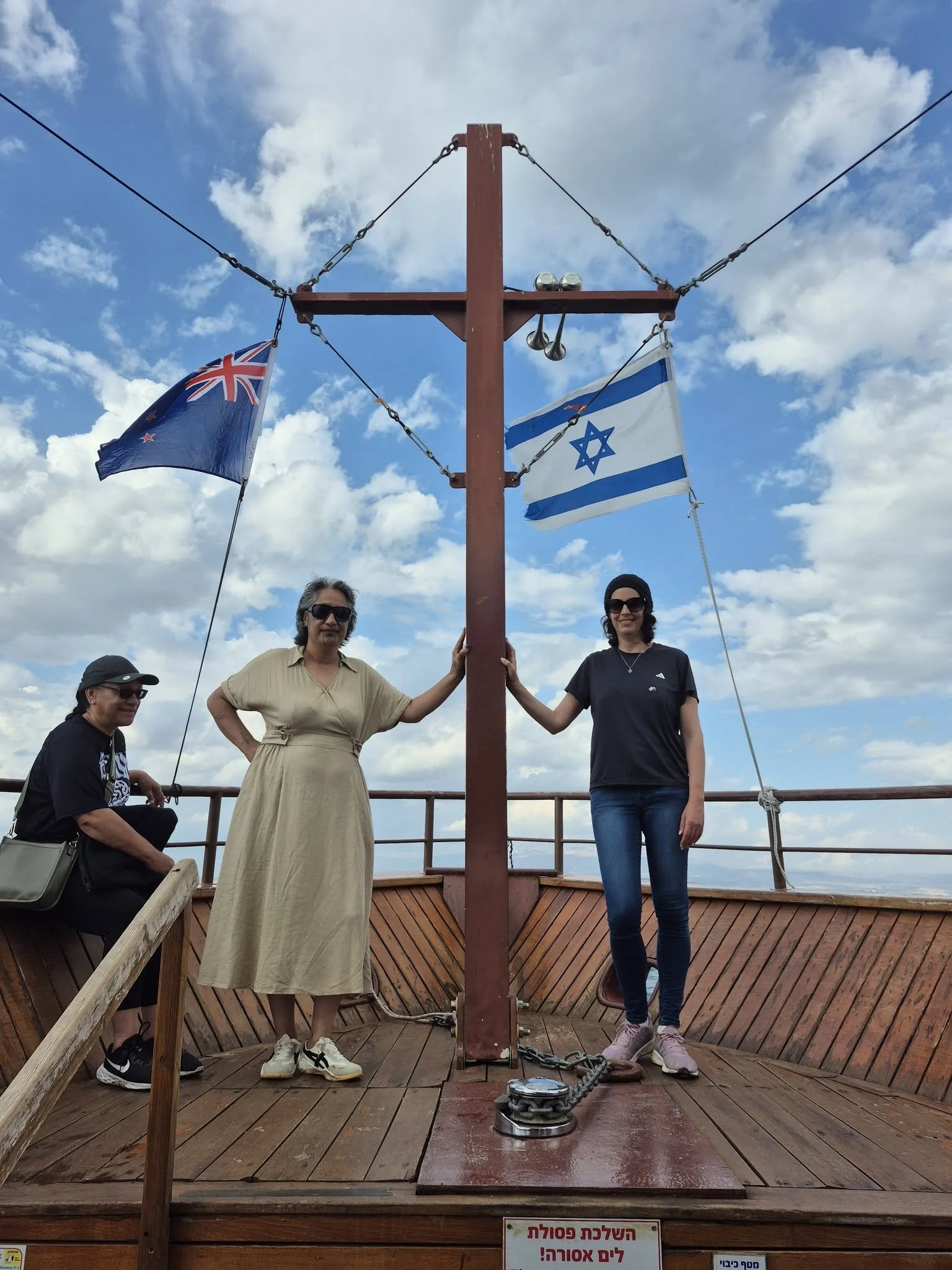
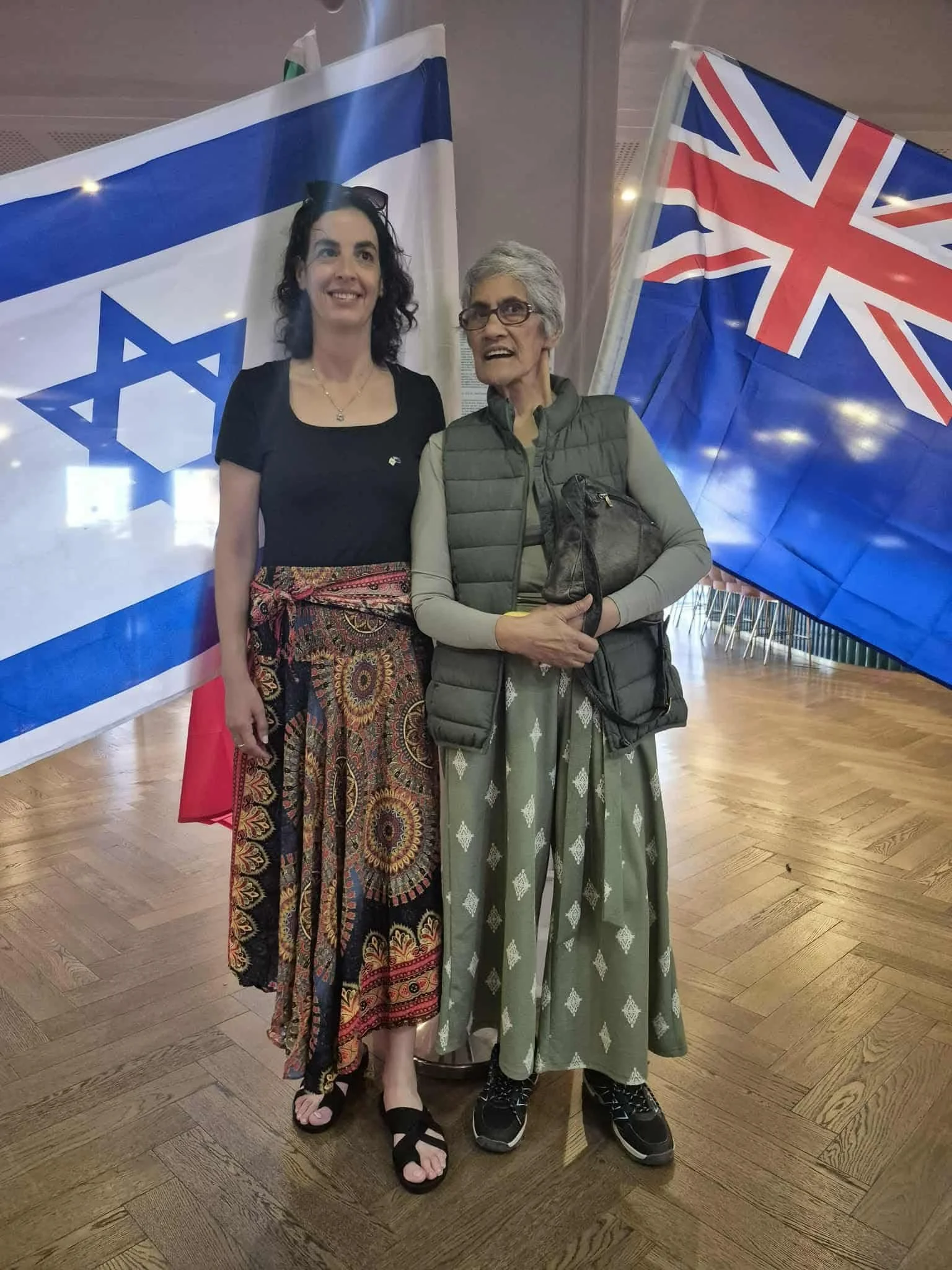
Yifat Goddard is an Israeli and New Zealand citizen. For the past ten years, she has been an advocate for Israel, educating, giving lectures and leading trips to Israel. In 2017 she was invited to Tapu Te Ranga Marae in Wellington, 2017 to give a lecture about Israel. That meeting eventually led to the opportunity to take a Māori delegation to Israel in November 2025. The following article is written by Regina Tito, one of the delegates on that trip.
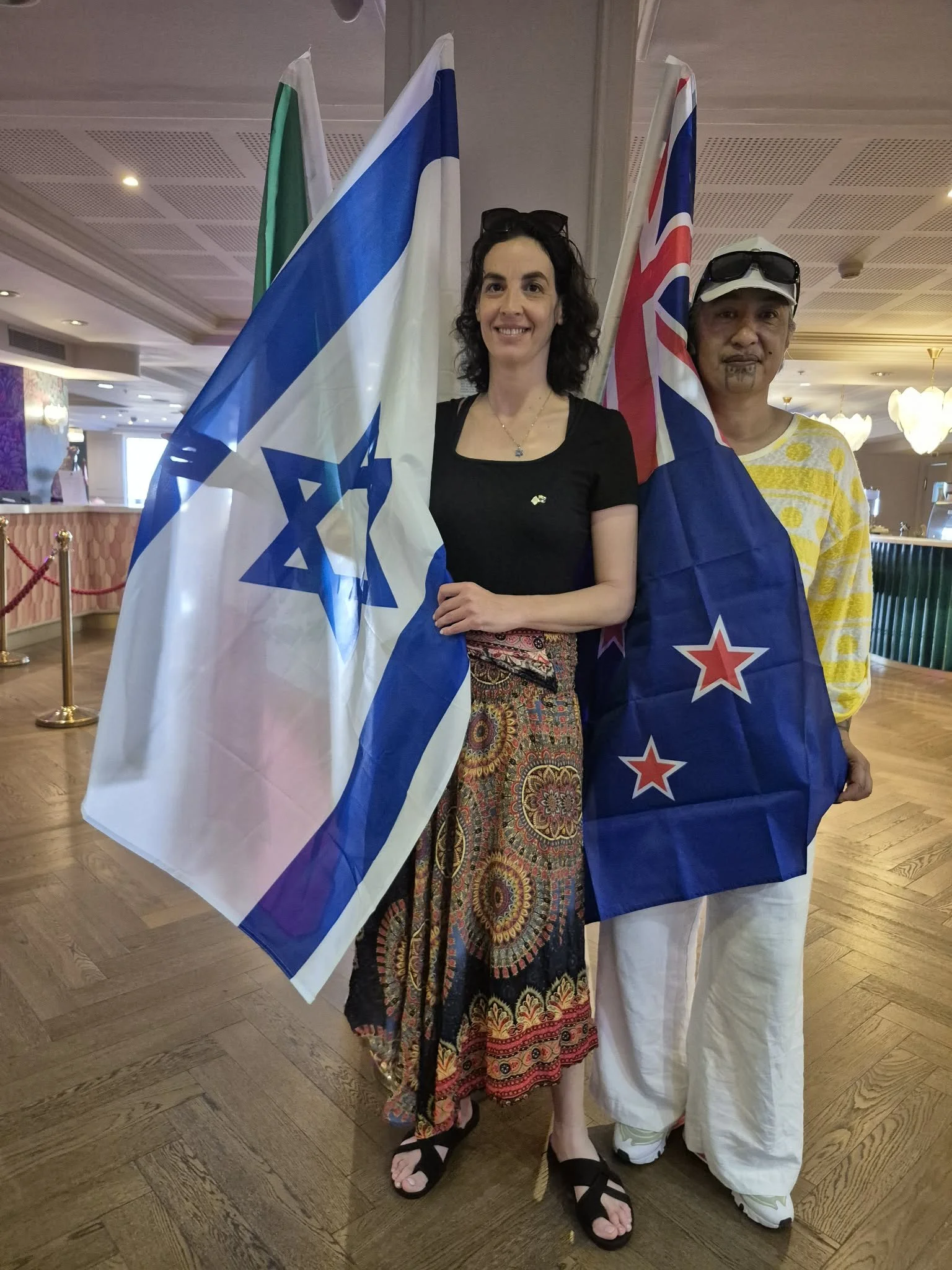
Yifat Goddard's visit to Tapu Te Ranga Marae in Wellington, 2017, marked a significant moment of connection. Her genuine respect and love for the Māori people inspired a commitment to support her efforts, leading to a relationship spanning over eight years.
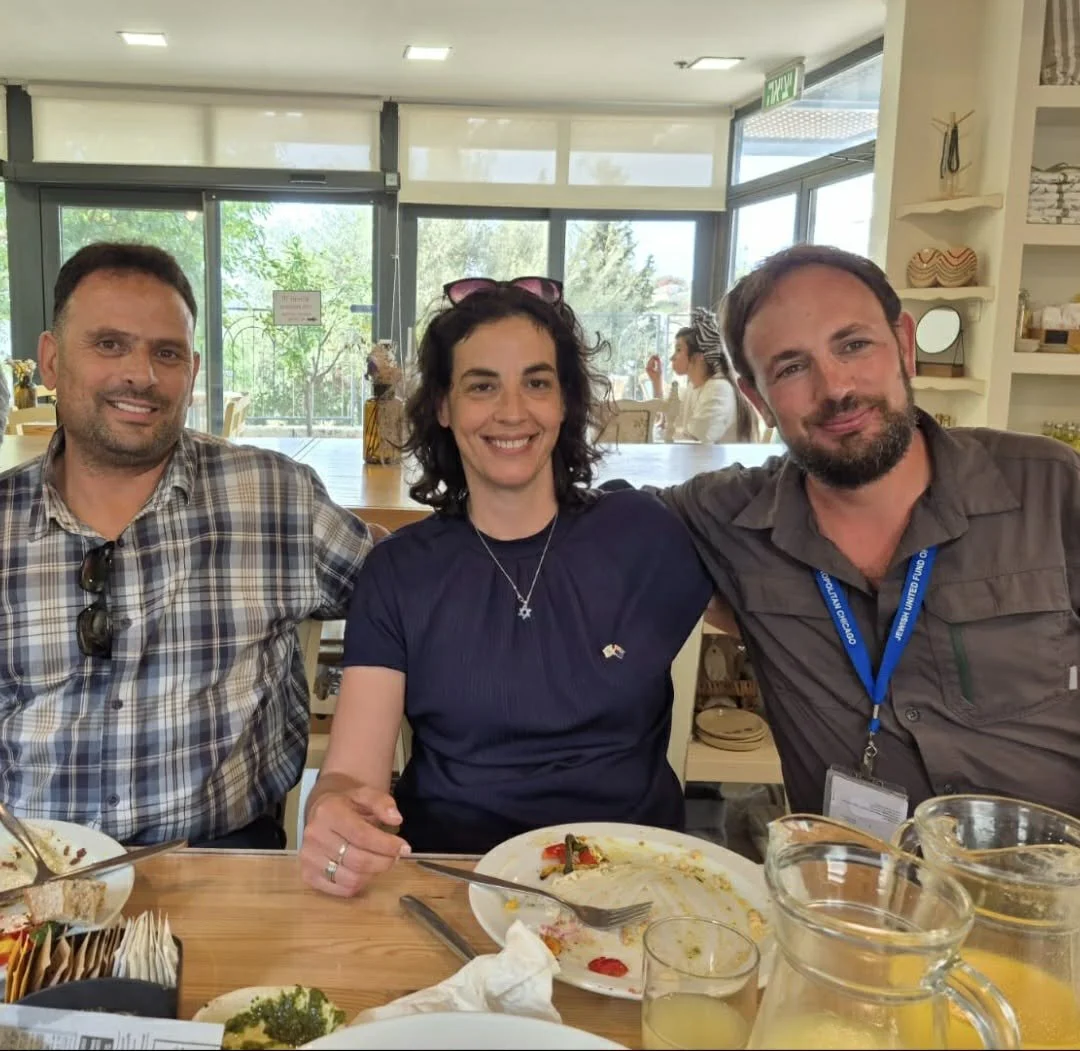
During a visit to Wellington in May 2025, Yifat proposed an initiative to explore the situation in Israel firsthand, she asked if I thought I could gather a group of around 20 Māori leaders. My mouth uttered the words “yes” while my brain screamed “Help me God”. I contacted individuals from various backgrounds—education, social services, faith communities, and media—to consider participating. Despite initial doubts, safety concerns, and some skepticism from family and colleagues, the group, driven by a desire to witness the realities on the ground and to foster understanding beyond media narratives, came to fruition.
Traveling from Ben Gurion Airport to Jerusalem, we observed a nation proud of its identity, with flags lining the streets and a collective hope for the safe return of hostages. Standing on a hotel balcony overlooking Jerusalem, the realization dawned that preconceived notions often fall short of the truth. This experience emphasized the importance of approaching such journeys with humility and openness, recognizing that true understanding requires stepping beyond assumptions and engaging directly with the environment and its people.
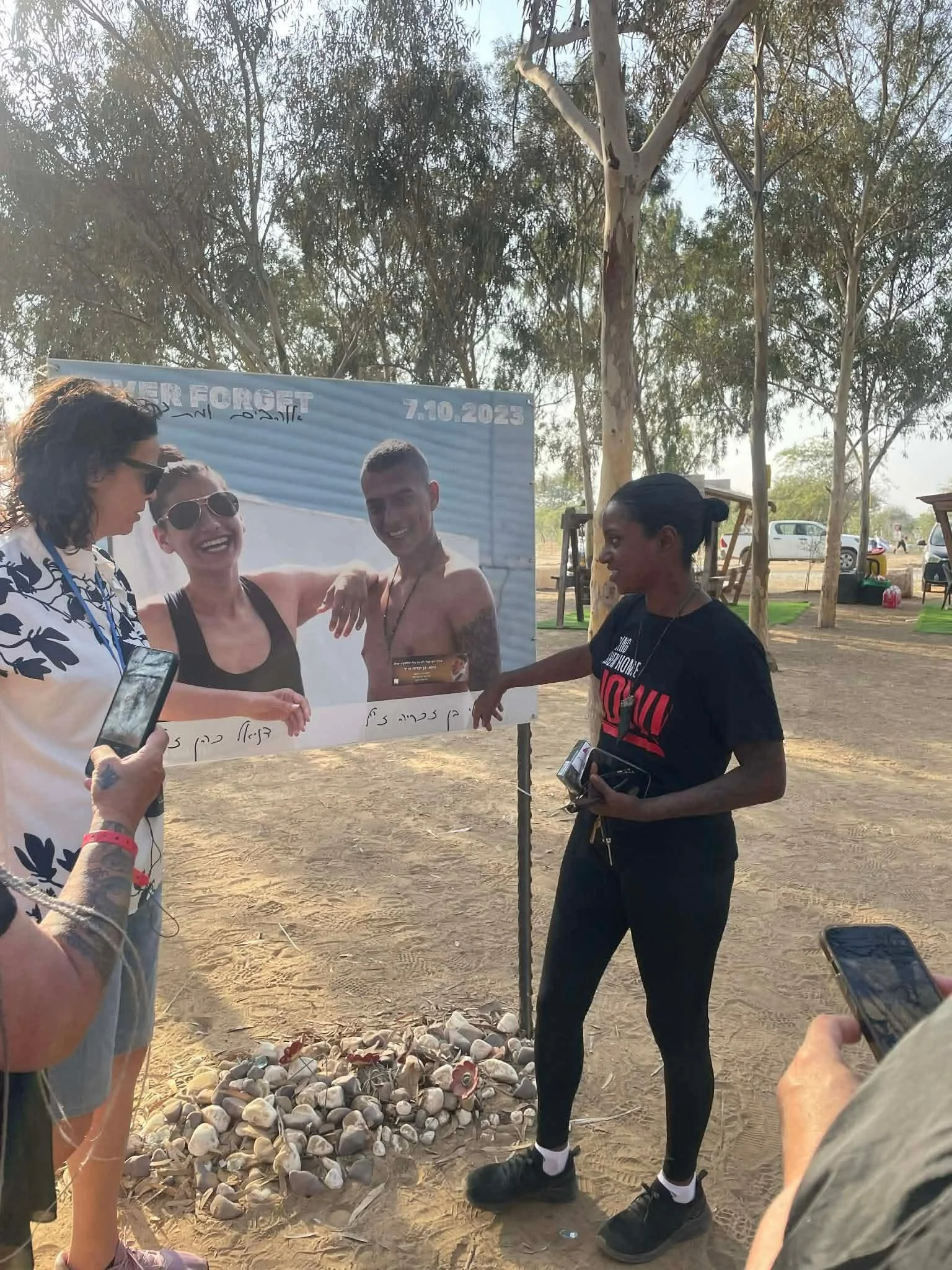
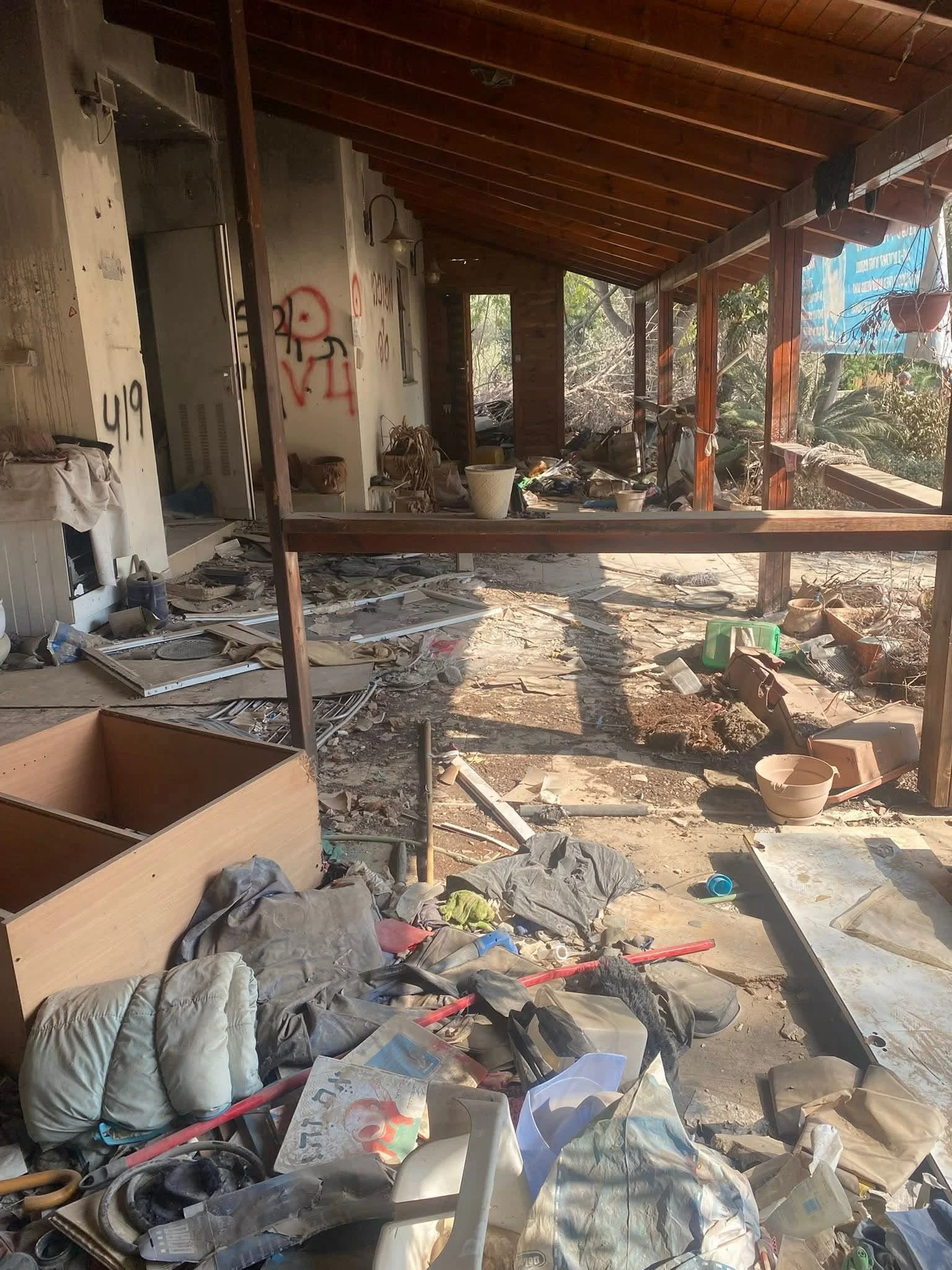
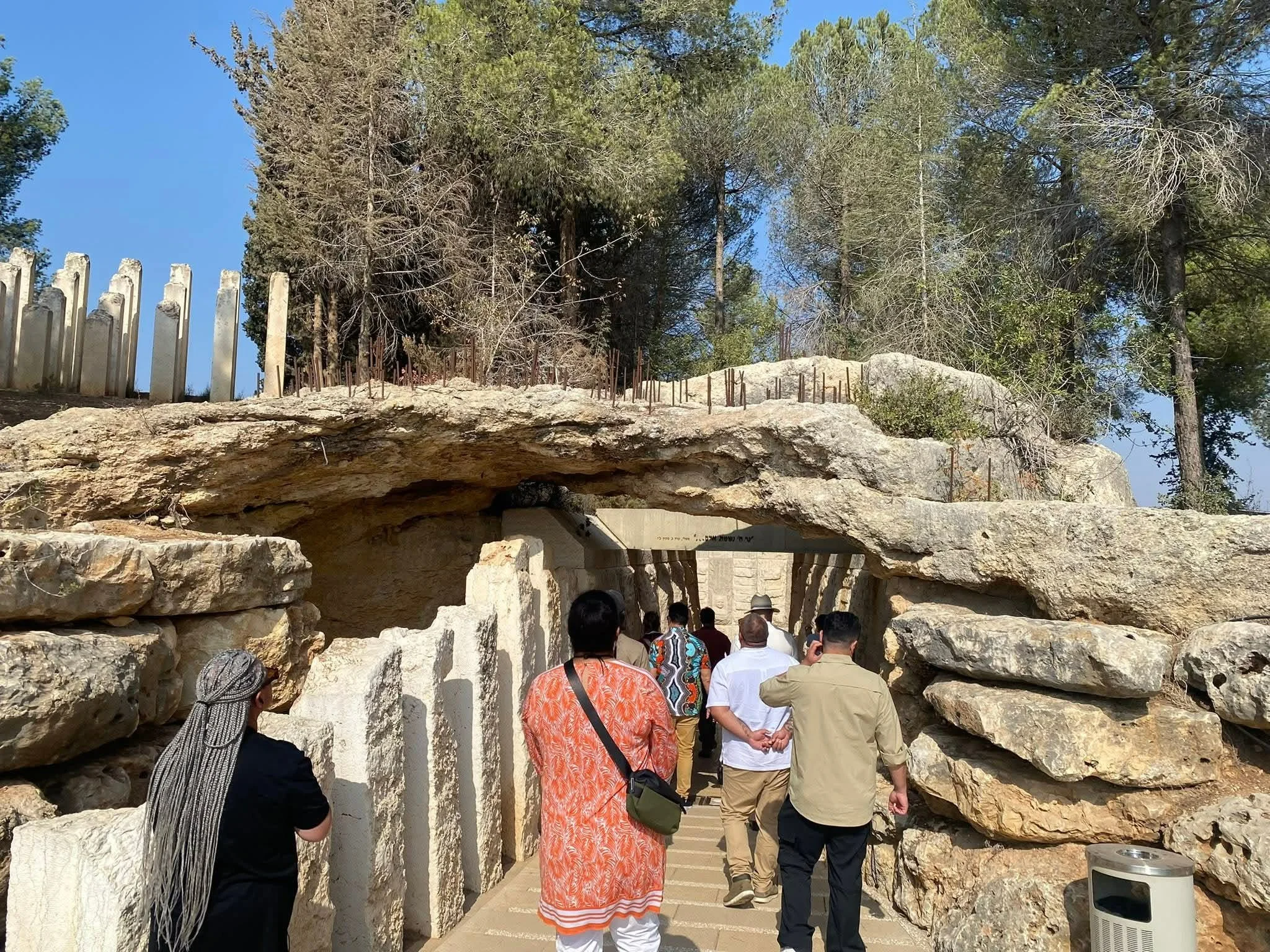
The group's visits included poignant moments at Yad V’Shem (the Holocaust Center), private screenings of Hamas recordings, and a visit to Kibbutz Be’eri near the Gaza border. We heard about the atrocities committed there, which were profoundly inhumane, evidenced by Hamas’ own recordings of beheadings, killing of children while laughing and showing genuine joy while committing these acts. Hearing survivor stories challenged the group’s hearts and minds. These experiences highlighted the necessity of confronting darkness to find pathways toward healing and hope, reinforcing the importance of empathy and resilience in the face of adversity.
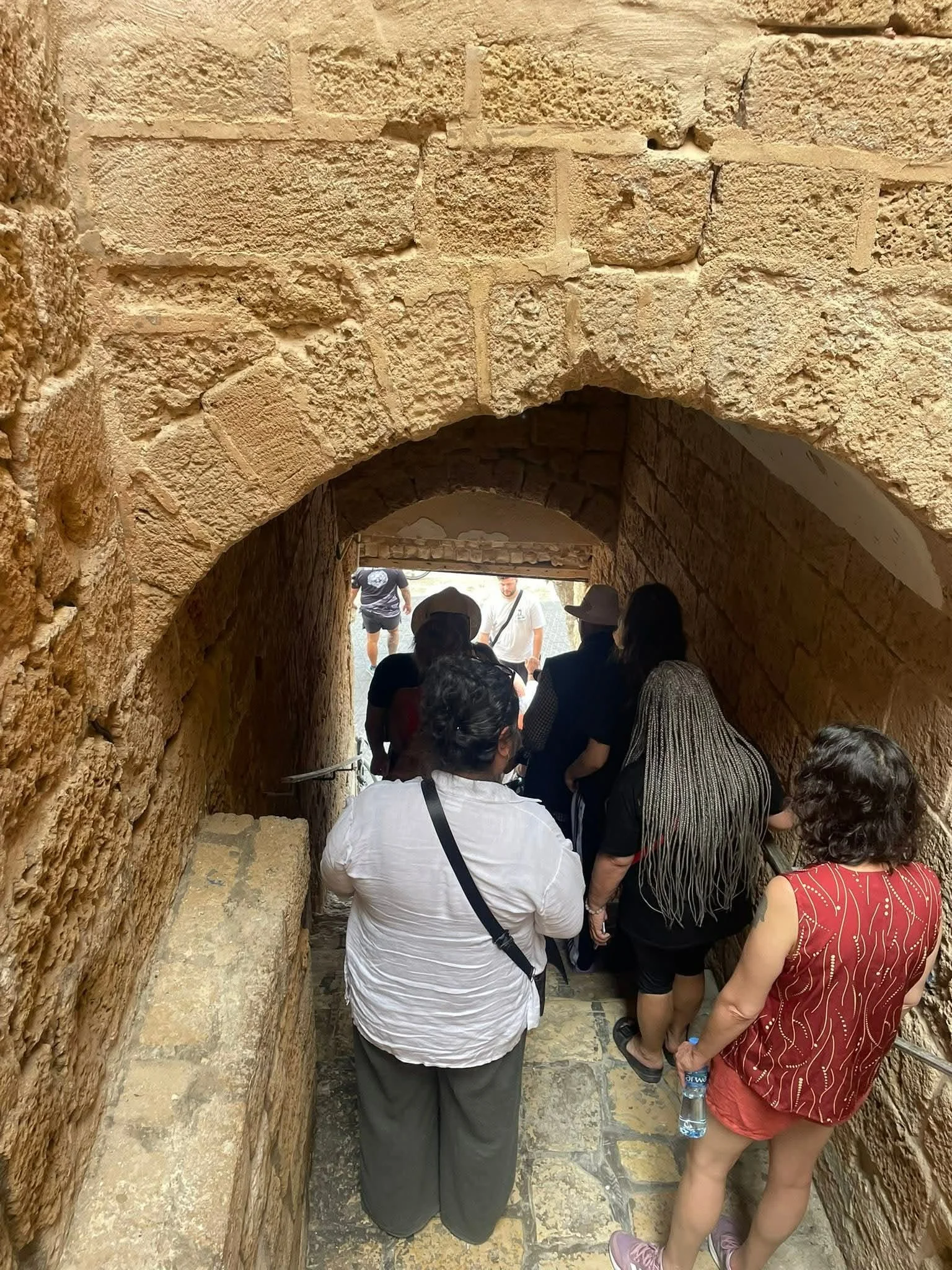
We went to visit the Arab town of Abu Gosh. As we stepped off the bus, the Muslim call to prayer was taking place, right next door to the monastery where we met with Benedictine monk Brother Oliver.
Our visit to the ANZAC museum in Be’er Sheva was significant, as one of the group members is the pastor for the Defence Force in New Zealand. We were allowed to commemorate the loss of our soldiers buried there by holding a service.
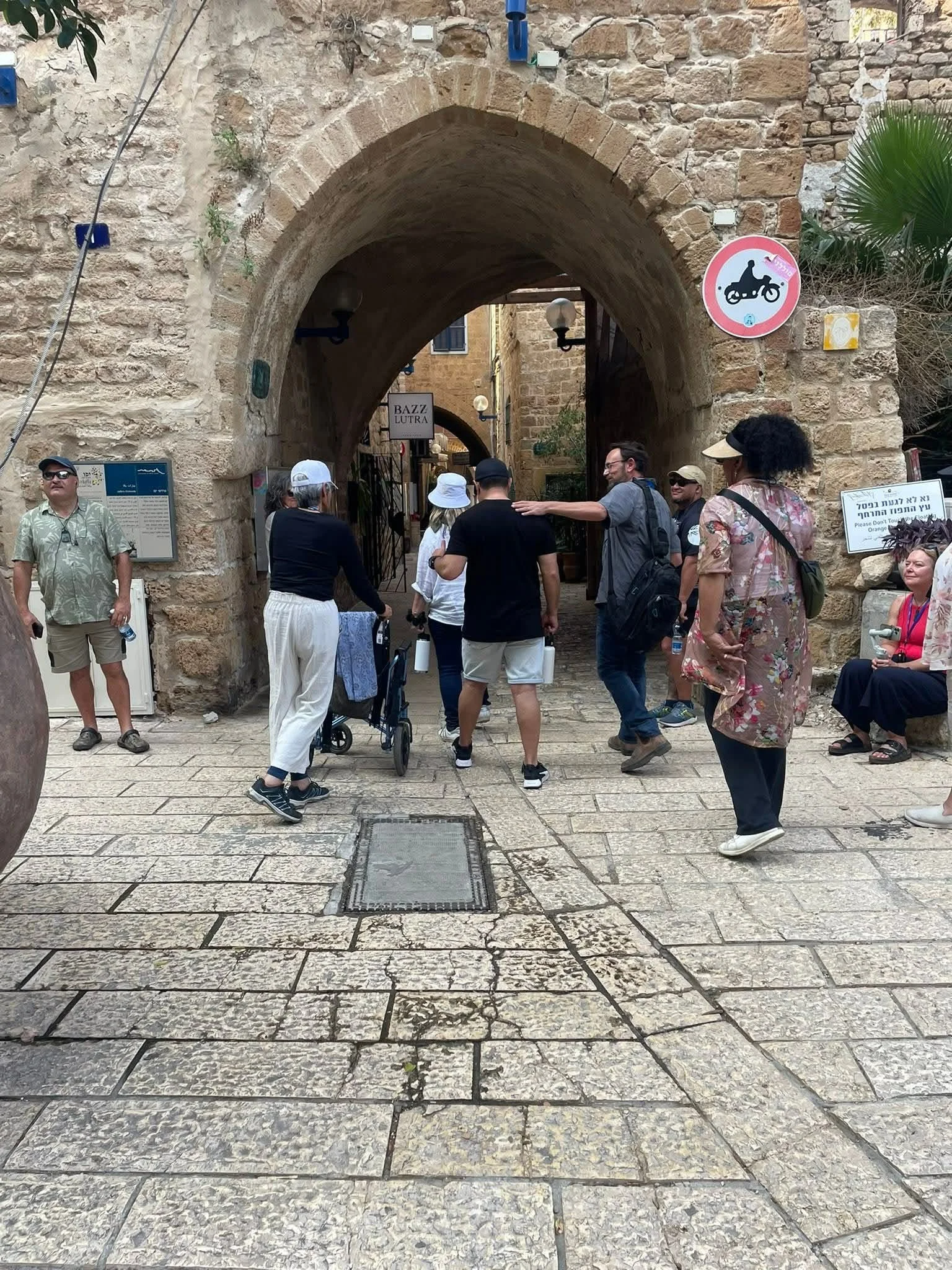
Visits to Kibbutz Sde Boker and Ben-Gurion’s grave, the Peres Centre for Peace, a Tour of Jaffa with its winding streets and beautiful architecture - these were such a privilege. Our time at Hostage Square was a reminder of what the nation was dealing with, as they called for the return of all the hostages. We headed to the Innovation Centre at Sheba hospital, a place of inspiration for those of us who work with whanau (family) experiencing trauma.
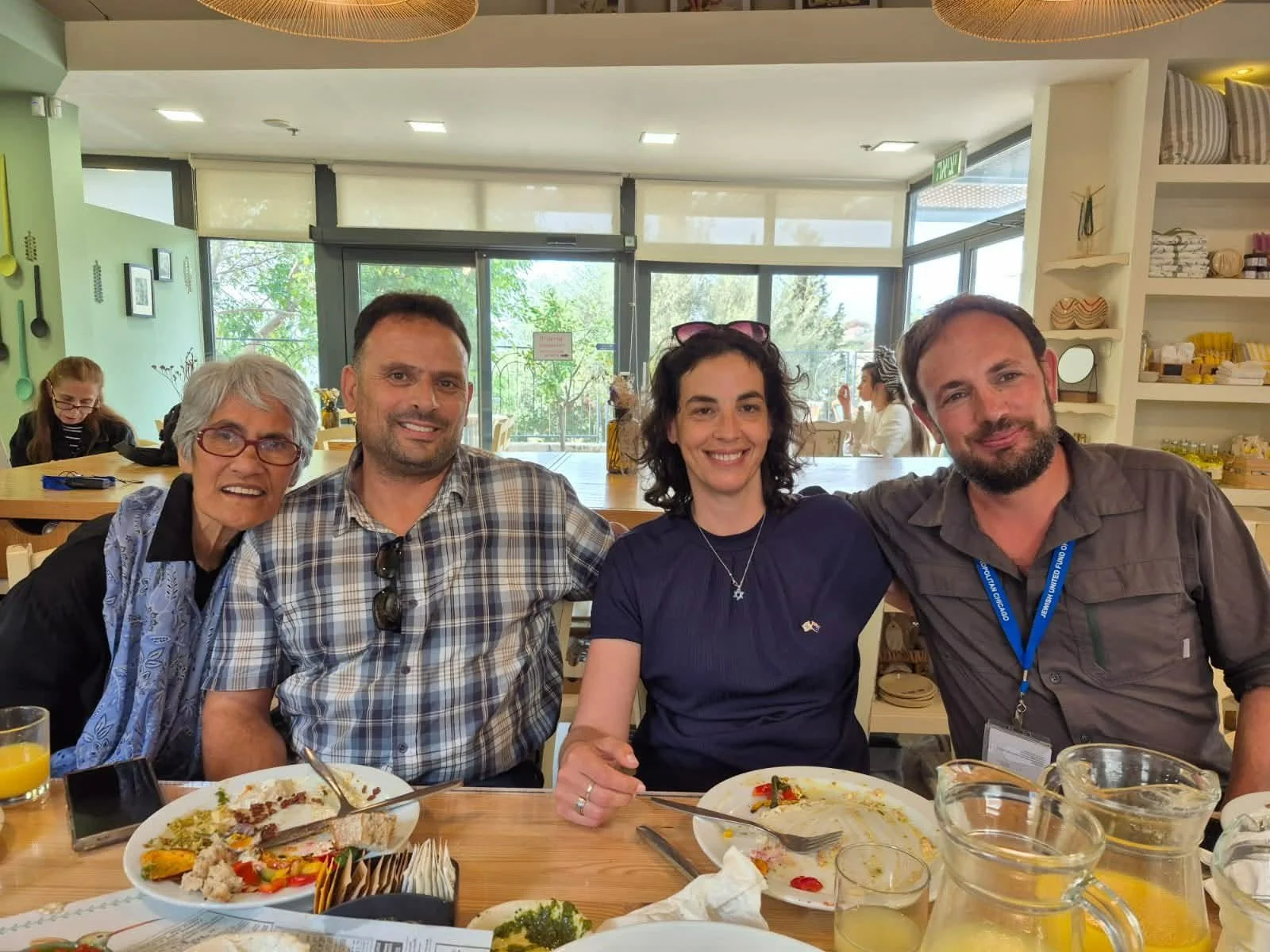
We were humbled as we watched our Jewish tour guide, Arab bus driver and Yifat working seamlessly. Our entire group thought that they were all old friends. They met for the first time on the day of our arrival. We were impressed that the stories of Arab and Jew living side by side was playing out for us on a daily basis.
We witnessed unity in action, the importance of family, how tikanga and kawa (cultural procedures and protocols) enables a people to endure and not lose their identity.
We may talk of diversity and inclusion. Israel lives it. We have a whakatauaki (proverb) “He aha te mea nui o te ao? he tangata, he tangata, he tangata”. What is the most important thing - it is people, it is people, it is people, it is people. How true it is for Israel, despite the complexities. The nation is rich with her ability to integrate and work towards continual growth and acceptance of others. We have all returned to our spheres of influence in NZ to hold talks, discussions, and future planning for trips and collaborations. We are forever changed and humbled Israel. Thank You!